
Dog Poop Bag Choices: An Eco-Friendly Buyer’s Guide for 2026
Picking up after your dog is a small act repeated thousands of times a year, and the humble dog poop bag you reach for has a bigger footprint than most owners realize. Multiply one household’s daily pickups by the millions of dogs walked each morning, and the material choice suddenly matters for landfills, waterways, and neighborhood cleanliness alike.
This 2026 guide cuts through the marketing noise around “biodegradable,” “compostable,” and “eco” labels so you can choose a bag that actually performs and actually breaks down. You will learn what the certifications mean, how thickness affects reliability, and how to build a cleanup kit you can feel good about.
Why Your Dog Poop Bag Choice Really Matters
Uncollected waste is a documented pollutant. According to the U.S. Environmental Protection Agency, pet waste carries bacteria and nutrients that contaminate local water sources when it washes off lawns and sidewalks. Bagging waste is the first line of defense, but the bag itself then enters the waste stream.
That creates a genuine tension. A bag needs to be strong enough to contain waste hygienically, yet ideally not linger in a landfill for centuries. Understanding the material categories helps you strike that balance.
The Three Main Bag Categories
- Standard polyethylene — cheap and strong, but slow to break down.
- Oxo-degradable — fragments faster, though it can leave microplastics.
- Certified compostable — plant-based, breaks down in the right facility.
Decoding the Labels: Biodegradable vs Compostable
Marketing terms are slippery. “Biodegradable” has no strict legal definition in many regions, so it can mean almost anything. “Compostable,” by contrast, is tied to standards such as ASTM D6400, which require the material to break down within a set time in a commercial composting environment.
The table below clarifies what you are actually buying.
| Label | What It Means | Best Disposal |
|---|---|---|
| Biodegradable | Vague; breaks down eventually | General waste |
| Oxo-degradable | Fragments with additives | General waste |
| Certified compostable | Meets ASTM/EN standards | Industrial compost |
| Recycled content | Reuses existing plastic | General waste |
Strength Still Comes First
An eco-friendly bag that tears on contact defeats the purpose, because torn bags mean double-bagging and more material overall. That is why many owners choose a thick, leak-proof Dog poop bag that contains large-breed waste in a single pass. Reliability reduces waste, so strength and sustainability are partners, not opposites.
How to Build a Low-Waste Cleanup Kit
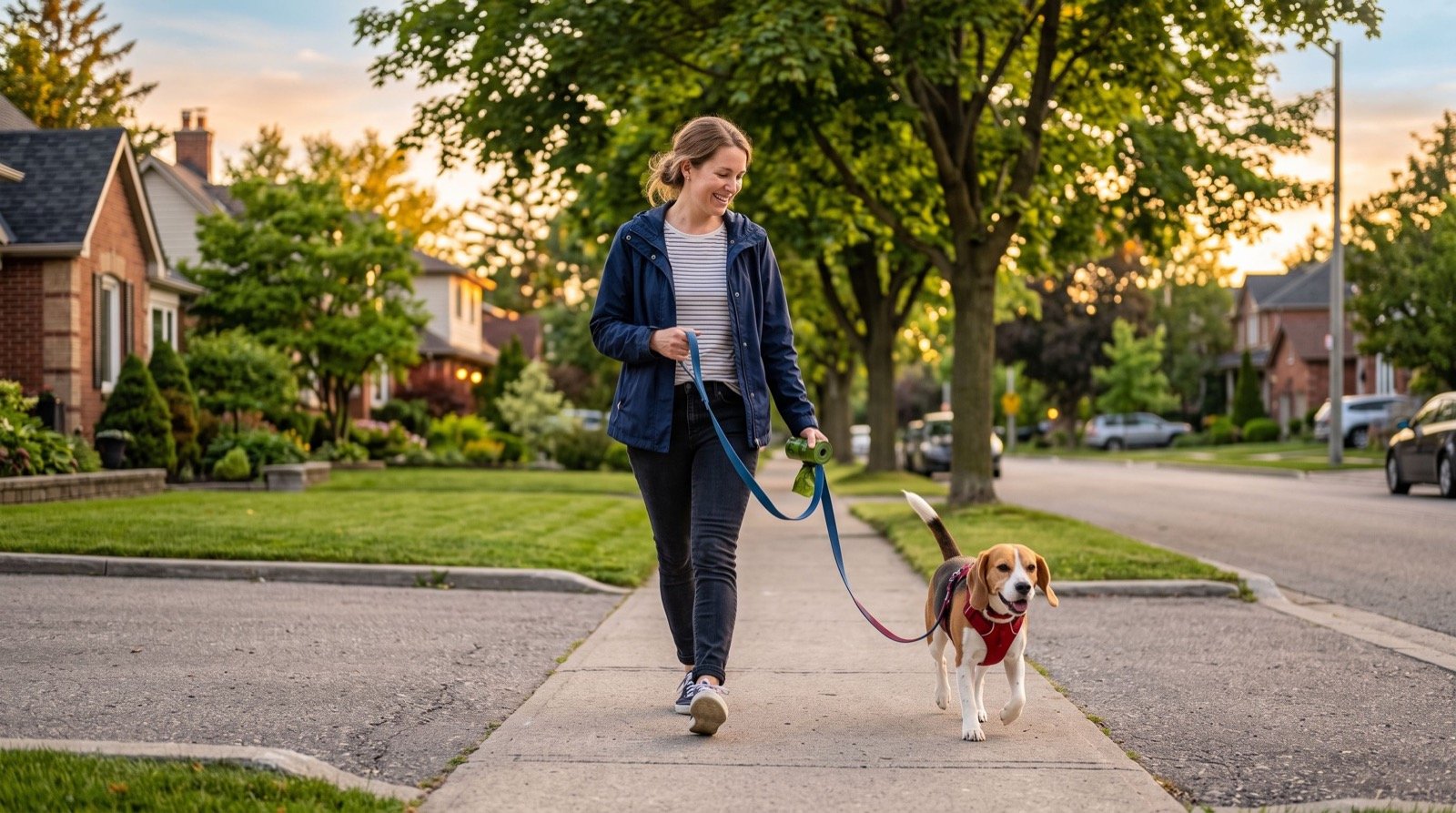
A thoughtful kit makes responsible pickup effortless. Assemble yours with these five items and you will never be caught unprepared on a walk.
- A refillable bag dispenser that clips to any leash.
- Certified compostable bags for everyday walks.
- Heavy-duty bags for large dogs or yard cleanups.
- Hand sanitizer for quick hygiene on the go.
- A sealed outdoor bin to hold waste until collection day.
For the yard-cleanup role, reach for heavy duty bags that resist punctures when you scoop several days of waste at once. Matching the bag to the job prevents both mess and overuse.
Are Compostable Dog Poop Bags Actually Better?
The honest answer is: only if disposed of correctly. A certified compostable bag tossed into a standard landfill behaves much like plastic, because landfills lack the oxygen and heat that composting requires. Its advantage appears only when it reaches an industrial composting facility that accepts pet waste, which not every city offers yet.
So the smartest move in 2026 is a two-part strategy: choose the greenest bag your local system can actually process, and cut total consumption by using a strong bag that never needs doubling. Guidance from waste-management authorities consistently stresses that correct disposal matters as much as the material itself.
Ask Before You Buy
Before committing to a brand, check its claims against recognized standards and read independent reviews. The same due diligence you would apply when hiring trusted professionals for any home service applies here: verify, compare, and favor transparency over buzzwords.
The Real Environmental Math Behind Daily Pickups
It helps to picture the scale. A single medium dog produces roughly a quarter to a third of a pound of waste per day. Across a year, that is well over a hundred pounds from one animal, and a typical neighborhood holds dozens of dogs. Left uncollected, that volume becomes a measurable pollution load on local soil and water, which is exactly why municipalities increasingly enforce cleanup ordinances.
The bag you choose is the one variable you fully control in that equation. A reliable bag that never needs doubling halves your plastic use per pickup, while a bag that tears forces you to grab two or three, quietly tripling your footprint over time.
How to Cut Waste Without Cutting Corners
Reducing your cleanup footprint does not mean sacrificing hygiene. It means being deliberate. Try these evidence-based moves:
- Buy the right strength once so a single bag always does the job.
- Skip novelty scents that add chemicals without benefit.
- Learn your local rules for what your system can actually process.
- Store bags properly so none are wasted to heat damage.
These small decisions, repeated across a year of walks, add up to a genuinely lighter impact. Responsible ownership is less about grand gestures and more about the quiet consistency of doing the ordinary thing well, every single day.
Frequently Asked Questions
Can I flush a dog poop bag down the toilet?
No. Even bags labeled flushable can clog home plumbing and municipal systems. Only the waste itself, without any bag, should ever be flushed, and only where local rules allow it.
How thick should a dog poop bag be?
For small dogs, standard thickness works, but large breeds need heavier-gauge bags around 15 microns or more. Thicker bags resist tears, prevent leaks, and reduce the need for double-bagging.
Do compostable bags expire?
They can degrade in storage, especially in heat and humidity. Buy quantities you will use within a year and keep them in a cool, dry spot to preserve strength until you need them.
Is it safe to put dog waste in the compost?
Only in a dedicated pet-waste composter or an industrial facility that accepts it. Never add dog waste to a food-garden compost pile, since it can carry parasites harmful to humans.
Conclusion: Choose Smart, Waste Less
The right dog poop bag balances three things: strength, honest eco-credentials, and disposal that matches your local system. Skip the vague labels, favor certified standards, and pick a bag tough enough to do the job in one pass. Small daily choices, made consistently, add up to a cleaner street and a lighter footprint by the end of 2026.
Ready to upgrade your walks? Stock a reliable, planet-conscious cleanup kit today and turn a daily chore into a responsible habit you can be proud of.