Storage Units in Riyadh 2026: The Trends Reshaping How Residents Store Belongings
Riyadh is changing fast, and so is how its residents think about space. Apartment towers have replaced sprawling family homes in many neighborhoods, construction projects tied to the city’s expansion keep displacing households temporarily, and a new generation of residents simply owns more stuff than their homes can hold. The result is a quiet but real boom in demand for storage units in Riyadh heading into 2026.
This isn’t a passing trend. It reflects a structural shift in how the capital is built and lived in, and it’s worth understanding whether you’re a long-time resident, a recent arrival, or a small business owner trying to keep up with the city’s growth.
Trend One: Smaller Homes, Bigger Storage Needs
As Riyadh densifies under major urban development initiatives, new housing stock increasingly favors apartments and townhomes over the large villas common a generation ago. Less square footage at home means less room for seasonal items, old furniture, and the accumulated belongings of a growing family.
Data from the General Authority for Statistics shows continued population growth concentrated in Saudi Arabia’s largest cities, Riyadh chief among them — exactly the pattern that drives sustained demand for off-site storage rather than a short-lived spike.
Trend Two: Renovation and Relocation Cycles Are Speeding Up
Families renovating a kitchen, repainting a villa, or relocating between neighborhoods for work no longer want to sell furniture they’ll need again in a few months. Short-term storage bridges that gap cleanly, letting people hold onto good furniture without having it underfoot during construction dust and chaos.
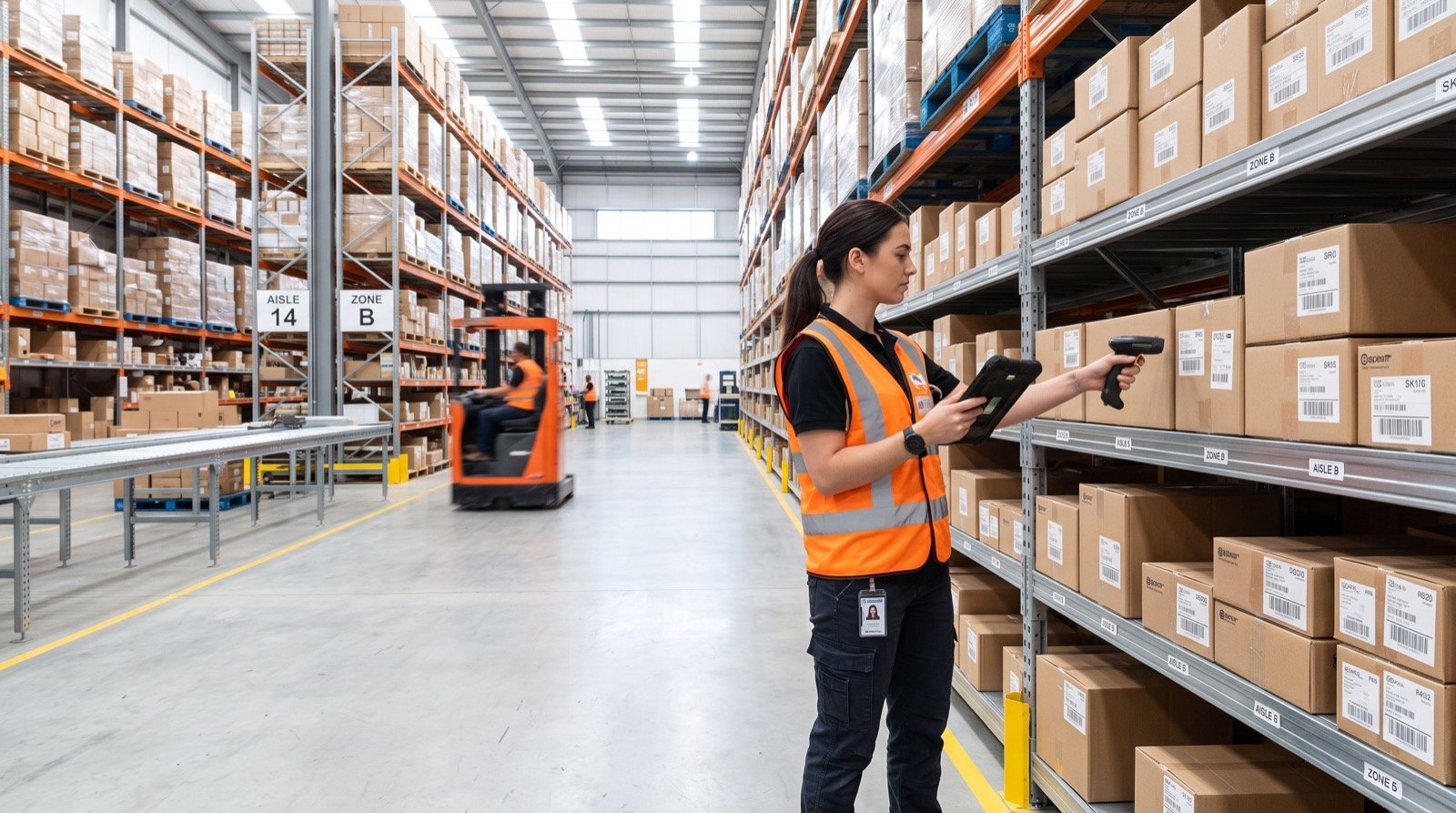
For most of these situations, Ambient Storage In Riyadh is the right fit — general-purpose, humidity-controlled space suited to furniture, boxed belongings, and household goods that don’t need refrigeration but do need protection from heat and dust.
Trend Three: Bulk and Dry Goods Need Their Own Category
Traders and importers handling textiles, paper products, or bulk goods sensitive to moisture face a different challenge than the average household. Dry Storage in Riyadh addresses that specifically, prioritizing low humidity over general temperature comfort — a distinction that matters a lot for anyone storing goods that absorb moisture and degrade over time.
Riyadh Storage Options Compared
| Storage Type | Priority | Best Suited To |
|---|---|---|
| Ambient | General humidity & temperature control | Households, furniture, office goods |
| Dry Storage | Low moisture environment | Textiles, paper, bulk trade goods |
| Chilled (specialist) | Refrigerated temperature bands | Food, pharma, cosmetics |
What This Means for Residents Planning Ahead
If you’re anticipating a move, a renovation, or simply running out of closet space in 2026, now is a sensible time to plan rather than scramble later during Riyadh’s busiest relocation months. Facilities fill up during peak seasons, and last-minute bookings often mean settling for less convenient locations or sizes.
- Inventory what you actually need stored before calling any provider — vague estimates lead to wrong-sized units.
- Separate moisture-sensitive bulk goods from everyday household items.
- Ask about seasonal pricing — demand spikes can affect availability more than price.
- Confirm access hours fit your schedule, especially if you’ll need items mid-renovation.
- Read the insurance terms before signing; not all providers cover the same risks by default.
How to Choose Among Riyadh’s Growing Number of Providers
As demand rises, so does the number of operators claiming to offer secure storage. Thorough research matters here just as it does with any outsourced service — readers comparing local providers across industries consistently do better when they vet reputable service experts rather than picking the first search result.
Ask facilities how long they’ve operated in Riyadh specifically, request to see the unit in person, and check whether they can provide references from existing long-term tenants. A facility confident in its service has no reason to dodge these questions.
A Simple Planning Timeline
- Decide what needs storing and separate it into ambient vs dry-storage categories.
- Get quotes from at least two or three local facilities.
- Book two to three weeks ahead of your actual move or renovation date if possible.
- Confirm insurance and access terms in writing before paying a deposit.
- Re-evaluate unit size after the first month in case your needs changed.
Trend Four: Businesses Are Adopting Household Storage Habits
Small businesses operating from home offices or shared commercial spaces are increasingly borrowing habits from residential storage renters — booking modest units for seasonal inventory, archived paperwork, or equipment that isn’t needed daily. This blurring between household and small-business storage use is one of the more interesting shifts reporters covering Riyadh’s commercial scene have noted heading into 2026.
It makes sense once you consider the economics. A freelance consultant or small trading business rarely needs a full warehouse lease, but still accumulates enough equipment and documents over a few years that home storage stops being practical. A modest ambient unit fills that gap at a fraction of commercial warehouse cost.
What Local Reporting Suggests About 2026 and Beyond
Coverage of Riyadh’s housing and commercial development consistently points to continued densification rather than a reversal toward larger living and working spaces. That trajectory suggests storage demand is likely to keep climbing rather than plateau, particularly in neighborhoods closest to major employment and transit hubs where housing is smallest relative to resident income.
For residents and small business owners watching these trends, the practical takeaway is straightforward: treat storage as a normal, recurring part of city living rather than an occasional emergency fix. Those who plan for it early consistently report smoother moves, less stress during renovations, and fewer rushed decisions under time pressure.
Frequently Asked Questions
Why are storage units in Riyadh becoming more popular in 2026?
Denser housing, ongoing urban development, and rising relocation and renovation activity are all pushing more residents and businesses toward flexible off-site storage rather than larger homes or warehouses.
What’s the difference between ambient and dry storage?
Ambient storage focuses on balanced humidity and temperature for general household and office items, while dry storage specifically prioritizes low moisture for goods like textiles and paper that degrade in damp conditions.
How much should I budget for a short-term storage unit?
Costs vary by size and duration, but short-term household units are generally the most affordable tier; always ask for a full written quote including any access or insurance fees.
Is it worth booking storage in advance of peak relocation season?
Yes. Availability tightens noticeably during Riyadh’s busiest moving periods, and booking two to three weeks ahead usually secures better pricing and location options.
Final Thoughts
Riyadh’s storage landscape is shifting right alongside the city itself, and residents who plan ahead rather than react under pressure consistently get better pricing, better locations, and fewer headaches. Whether it’s ambient storage for a renovation or dry storage for bulk trade goods, understanding the categories now will save real time and money as 2026 unfolds.